Selecting a bag for the things you carry
An inventory of your normal load is a better starting point than choosing a bag by its empty silhouette.
A bag can look perfectly proportioned when empty and become awkward once it contains a laptop, lunch and a water bottle. Before choosing a style, put your normal daily items together. Include the less glamorous things: charger, keys, glasses case, medicine or a folded rain layer if those belong in your routine.
Separate daily items from occasional ones
Decide what must fit every day and what appears only sometimes. A bag sized for the largest possible load may be unnecessarily bulky most of the week. On the other hand, buying something barely large enough can leave you carrying a second bag whenever plans change.
If your load varies greatly, two bags with clear roles may be more convenient than one supposed all-purpose solution. That is a decision about use, not a requirement to own a collection.
Check dimensions, not just capacity
A litre figure describes volume but does not guarantee that a particular laptop, document folder or lunch container fits. Compare internal dimensions where available. A narrow opening can make a large compartment difficult to use, and a padded sleeve may be smaller than the main bag.
For electronics, check the device's actual dimensions rather than relying only on its advertised screen size. Keep sharp or hard objects from pressing against vulnerable surfaces. A designated compartment is useful only if it suits what you carry.
Try the packed weight
If possible, load the bag with comparable items and carry it as you normally would. Check strap width, adjustment range and where the bag rests. A comfortable empty tote can feel very different after a long walk with a full load.
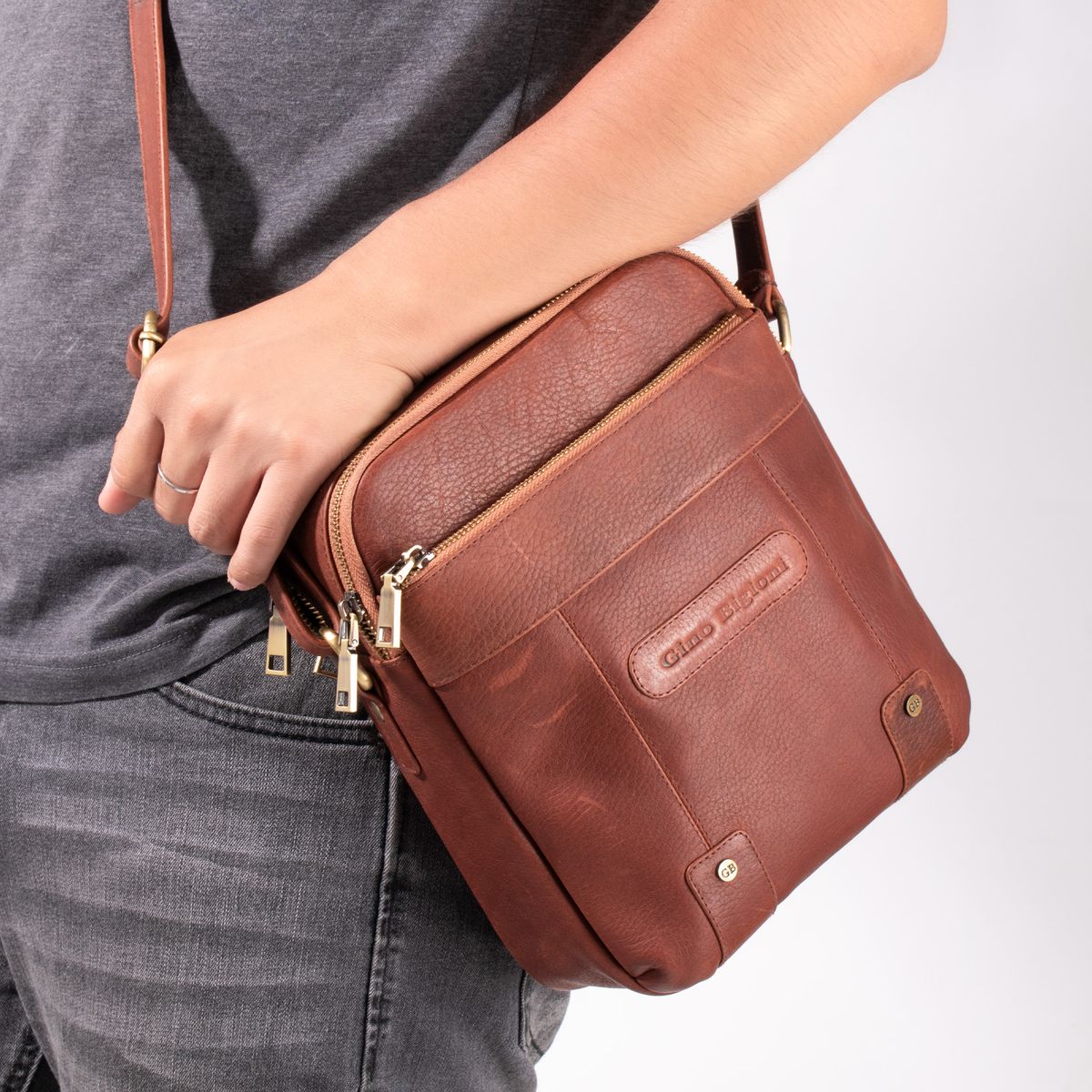
For a cross-body or shoulder bag, see whether it swings into your arm or pulls at your jacket. For a backpack, try both straps and check that the bag does not sit in an inconvenient position. If you use public transport, consider how easily you can remove and hold it without spilling the contents.
Organise around access
Put frequently used items where you can reach them without unpacking everything. At the same time, consider how exposed those pockets are in crowded places. A convenient outer pocket is not automatically the right place for every valuable item.
Too many compartments can be as frustrating as too few if none fit your belongings. Imagine the actual sequence of arriving at work, taking out a laptop, finding keys and packing up again. That reveals more than counting zips.
Run through a realistic packing order
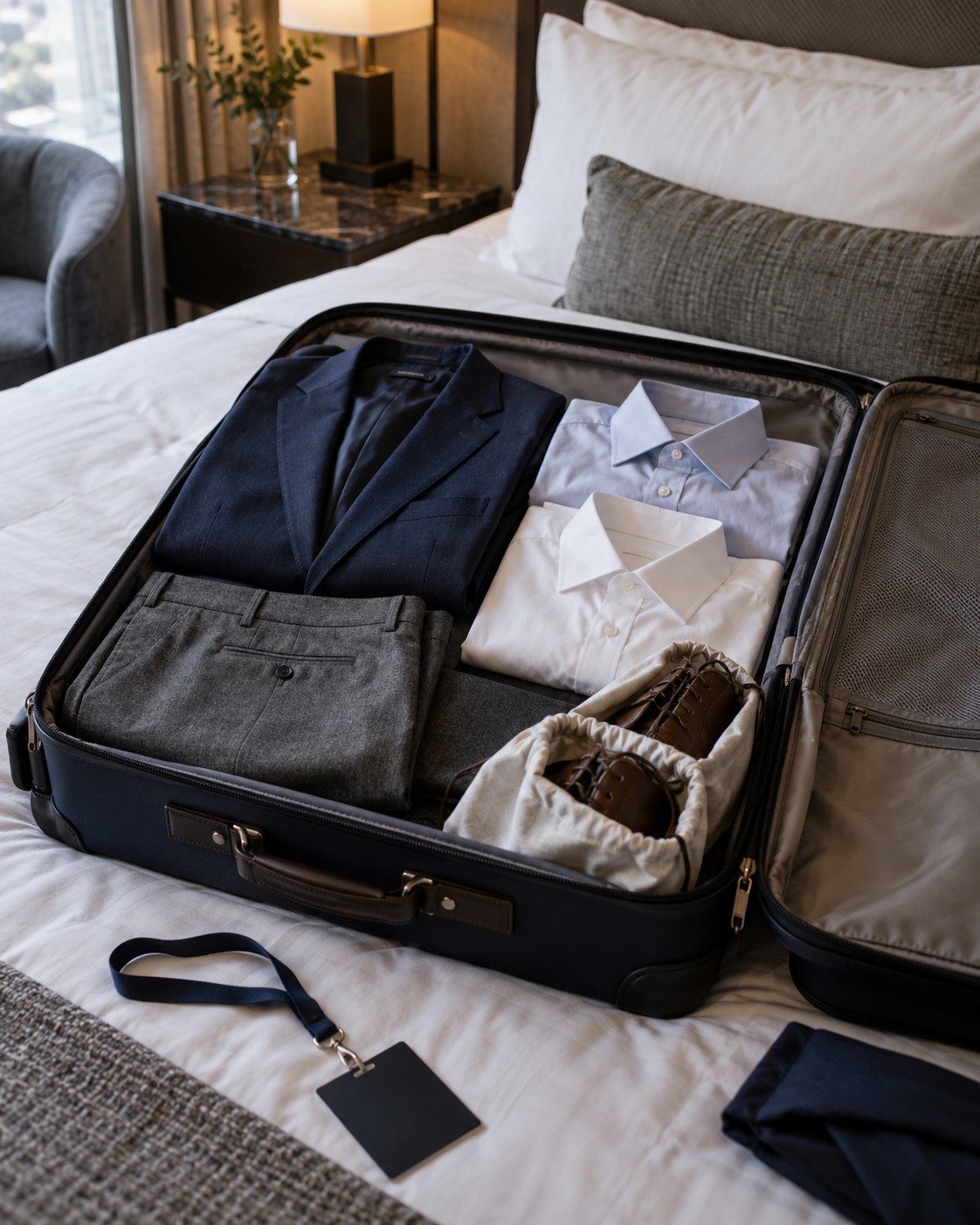
Place the largest rigid item first, then the things you need during the journey, and finally the small items that tend to disappear. Close the bag without compressing vulnerable contents. If a water bottle only fits by leaning against an unprotected laptop, the nominal capacity is not telling the whole story.
Now remove the item you use most often. If that requires taking out lunch, a charger and a folded layer, consider whether another opening or compartment arrangement would save daily effort. A simple open compartment may be better for bulky irregular items, while separate sleeves can help with flat objects. More organisation is useful only when its shapes match your belongings.
Repeat the test with a lighter day's load. Some bags collapse comfortably; others become awkwardly shapeless or let small objects move around. You do not need perfect performance at every capacity, but knowing the compromise helps you choose between a compact daily bag and one reserved for heavier days.
Make the appearance fit your clothes
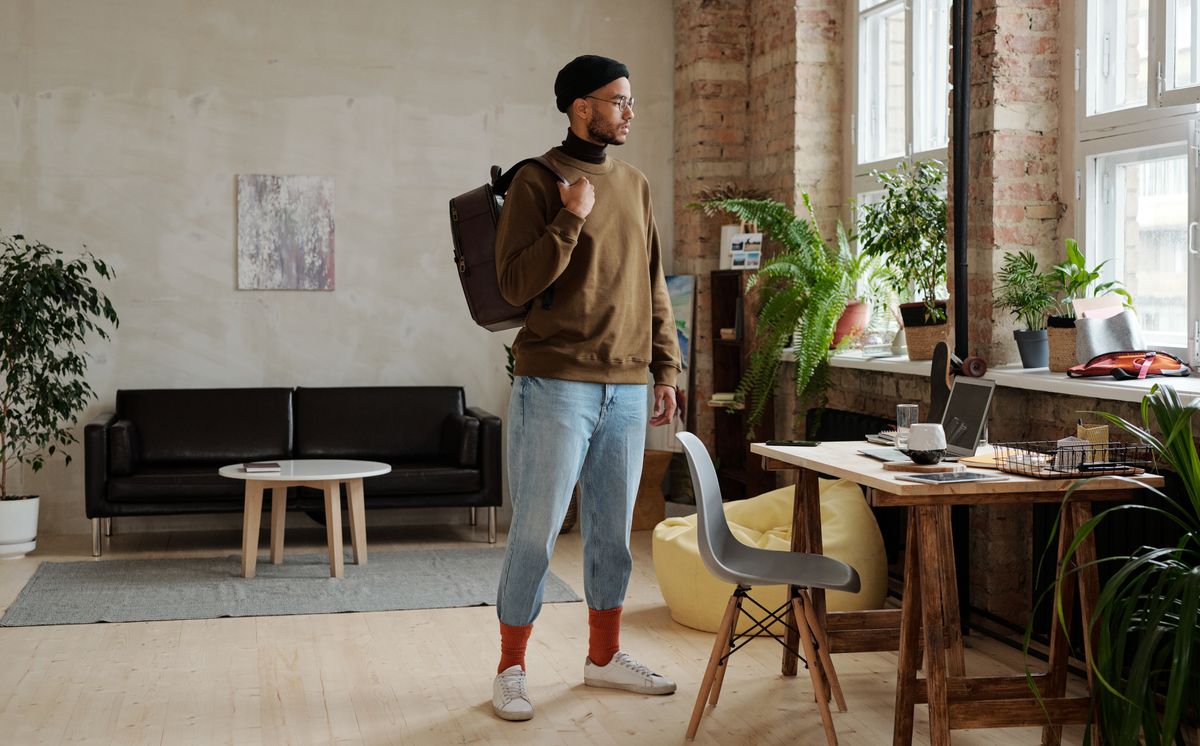
A clean, simple bag can work across several outfits, but material and shape still matter. A soft canvas tote creates a different relationship with tailoring from a structured leather bag or technical backpack. Choose what belongs in your everyday setting rather than assuming the most formal option is always the most useful.
Check weather claims and closures for your route. A water-resistant fabric does not automatically make the entire bag waterproof, especially at seams and zips. Use appropriate protection for items that must stay dry and follow the manufacturer's guidance.
Finish by checking empty weight, care instructions and whether worn straps or fastenings can be repaired. The right bag should reduce the effort of carrying your day. If it requires you to leave essential items behind, carry it awkwardly or continually reorganise, its appearance is not compensating for the mismatch.