Building a tonal outfit with different textures
Similar colours become more interesting when their surfaces and depths are not identical.

A tonal outfit uses related shades rather than necessarily matching every item exactly. Navy, washed blue and indigo can sit together; so can cream, beige and light brown. This gives you a broader and more forgiving approach than trying to assemble several unrelated garments in a perfectly identical colour.
Choose a colour family you already own
Lay out the clothes before buying anything. A grey sweatshirt, charcoal trousers and a grey coat may already form a workable group. Compare them in daylight, because artificial light can hide a green or purple cast. A difference in shade is not a failure; the question is whether the combination looks deliberate to you.
Begin with a clear difference between the main pieces. A pale grey knit over dark charcoal trousers is easier to distinguish than two medium greys that almost match. Once you are comfortable with that, try closer shades and use texture to separate them.
Give each surface a role
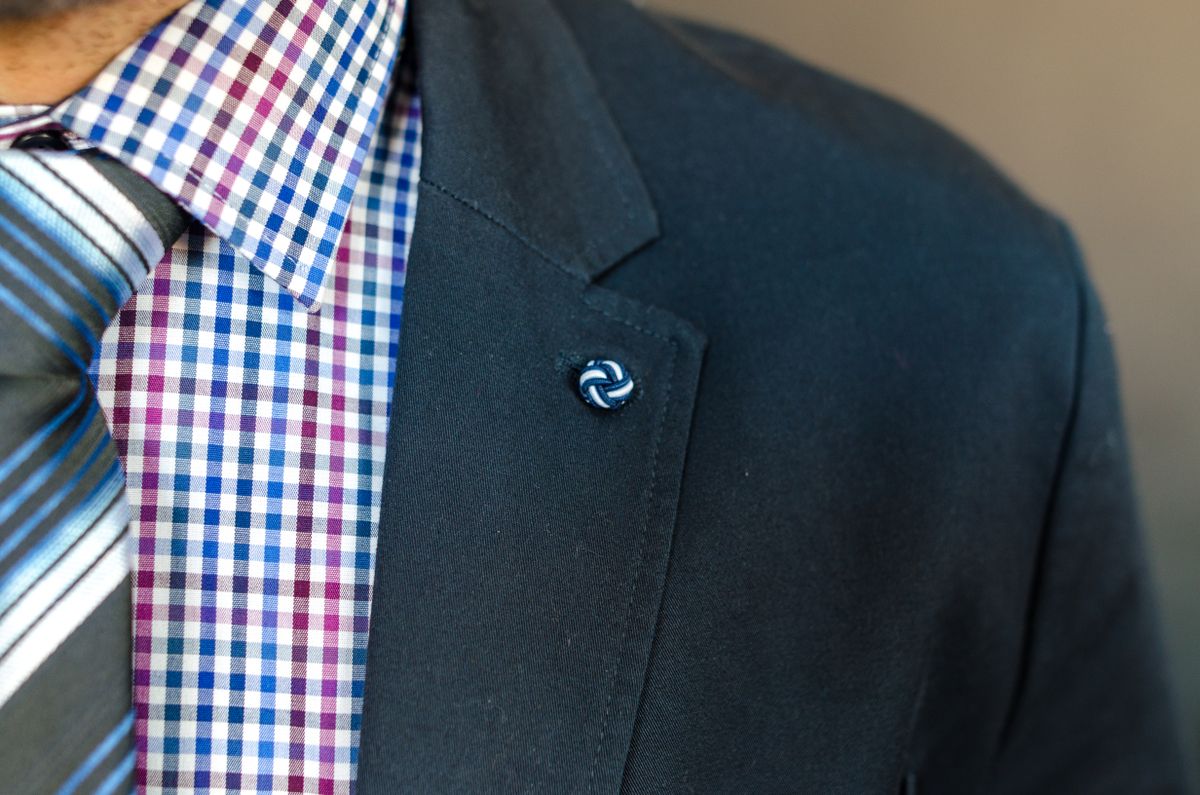
A smooth cotton tee, brushed overshirt and denim trousers can all be blue while remaining visibly different. In a brown outfit, fine knitwear, corduroy and suede introduce distinct surfaces. You do not need every garment to be textured. One quiet, smooth piece can prevent the outfit from becoming too busy.
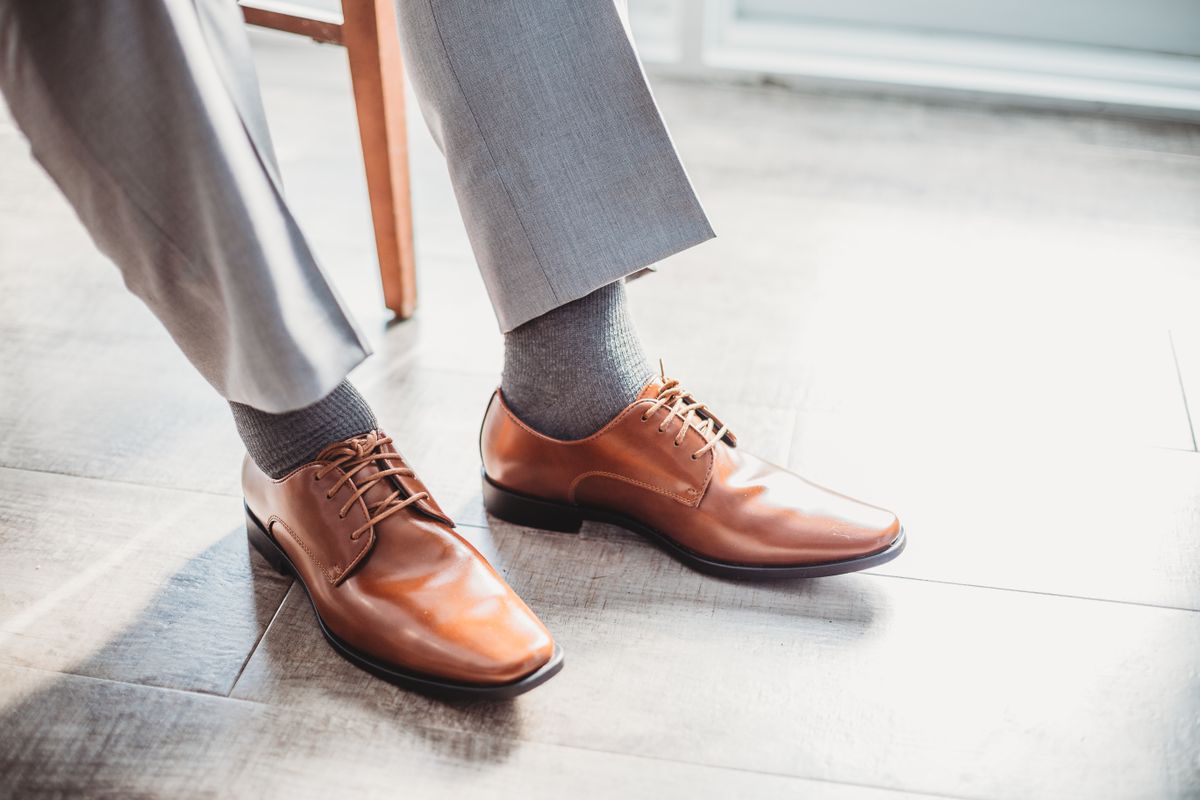
For a dark tonal combination, consider a navy knit, indigo jeans and a slightly lighter blue jacket. Black or brown shoes can finish it without matching the blue family. An outfit does not lose its tonal character because the footwear or belt is neutral rather than identical.
For a lighter version, use an off-white tee, stone trousers and a beige overshirt. Check opacity and condition carefully, since pale surfaces can reveal what sits beneath them. If the whole arrangement feels too uniform, add a darker shoe or a small contrasting neckline instead of abandoning the idea.
Assess the silhouette separately
Similar colour can make the outline more noticeable. Look at where the jacket ends, how wide the trousers are and whether the shoes are being swallowed by the hem. A tonal palette does not resolve fit problems; it may make them easier to see.
A photograph from a normal standing distance can help you judge the balance, but do not rely on a filter that changes the colours. Also inspect the outfit without its outer layer. If you remove the jacket indoors, the remaining shades and textures should still be comfortable companions.
There is no obligation to create a head-to-toe uniform. A tonal outfit is simply one method of limiting colour decisions while allowing fabric, proportion and small differences to carry the interest. Keep the version that works with your real wardrobe rather than searching for an impossible exact match.