Adjusting proportions for a shorter frame
Prioritise garment length and detail placement without treating height as something that needs disguising.
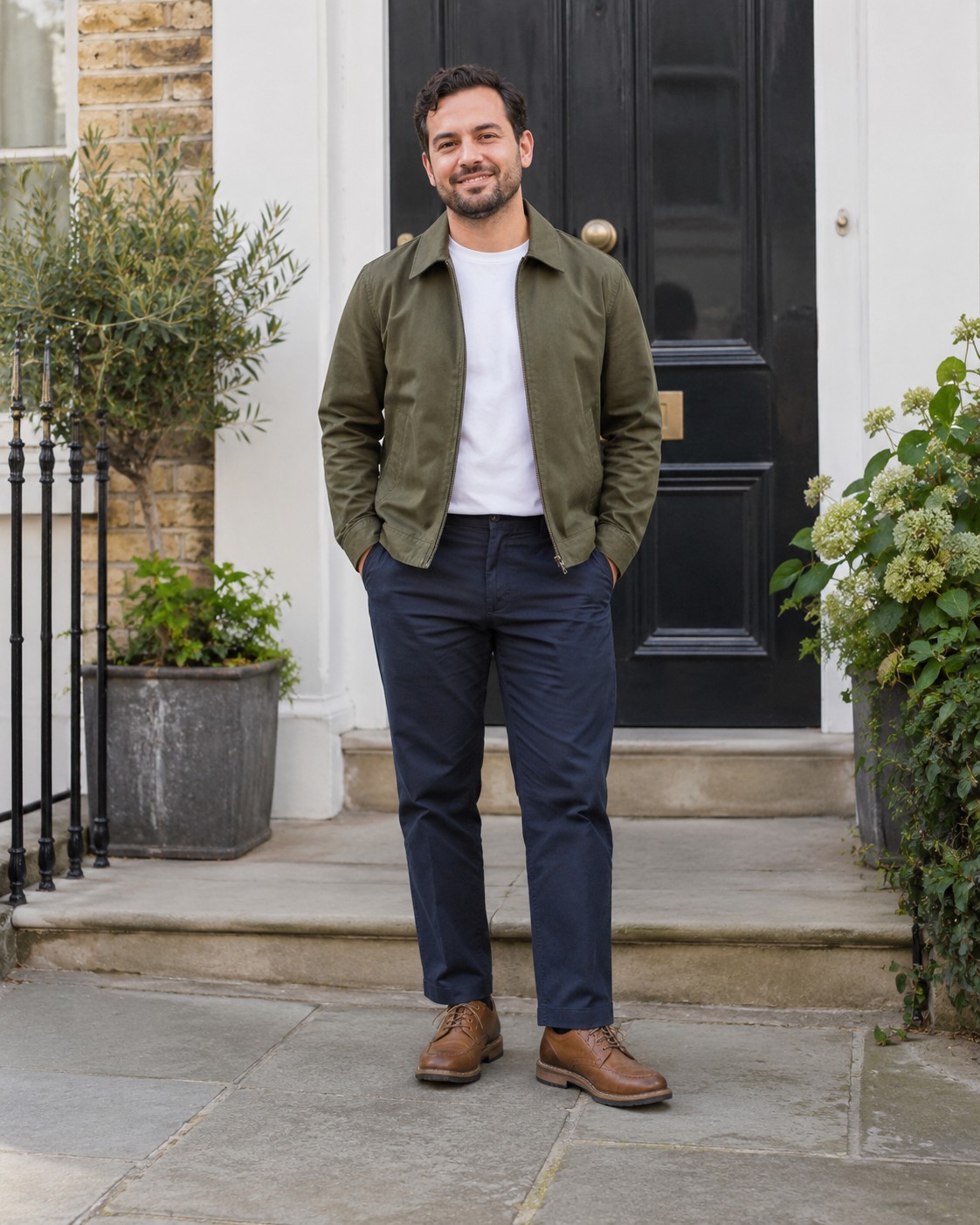
Dressing a shorter frame is not a project in pretending to be taller. It is about finding clothes whose lengths and details sit where you want them. Simply buying smaller sizes can reduce necessary width while leaving the underlying proportions wrong, so separate length from circumference whenever possible.
Look for length options
Short-length jackets, trousers sold in several inseams and brands with detailed garment measurements can reduce the need for guesswork. Check what actually changes between lengths. A shorter sleeve alone does not necessarily mean a shorter jacket body or a different pocket position.
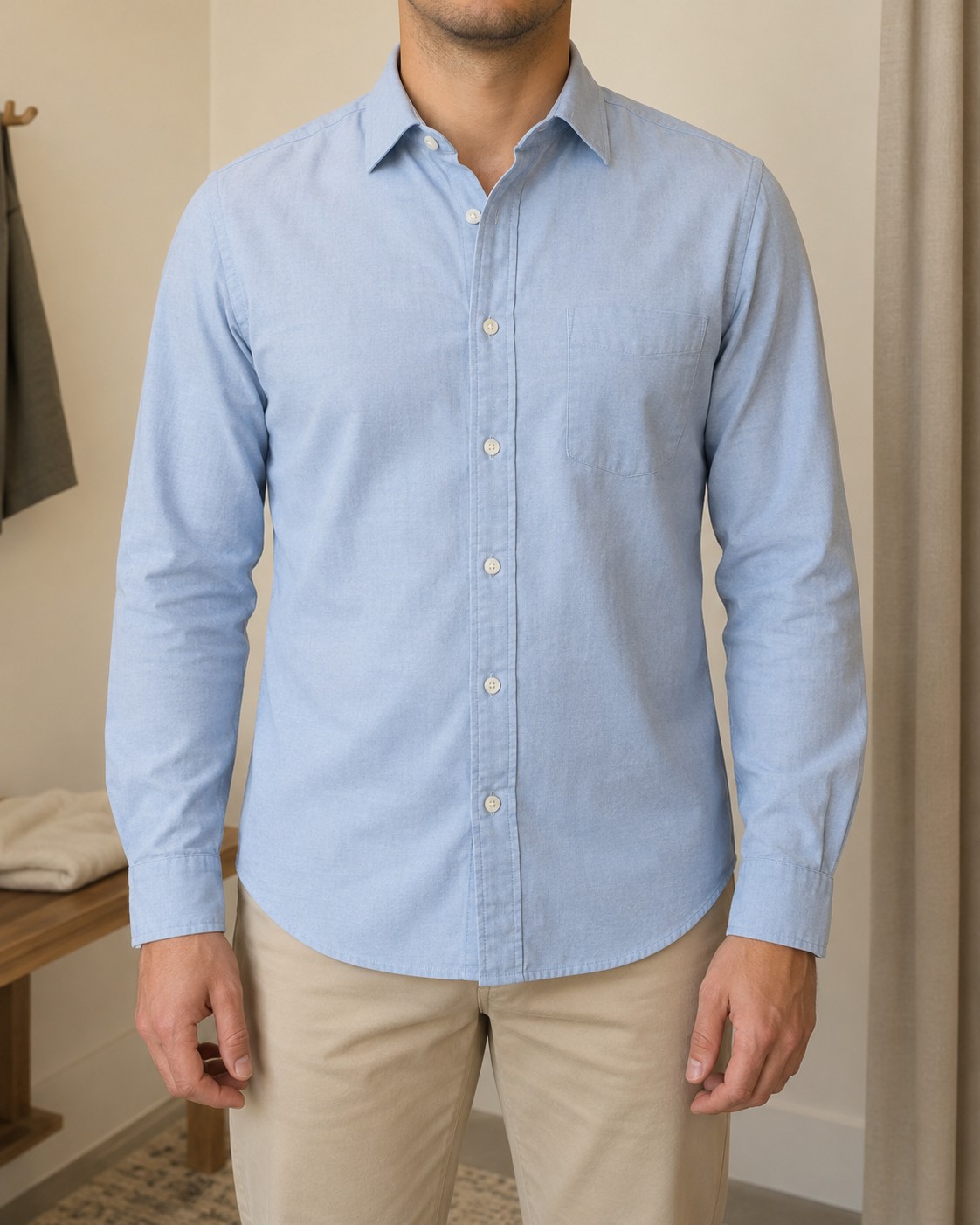
For shirts worn untucked, inspect the back hem and side view. If the shirt covers more of the trousers than you like, a design intended for untucked wear may be more suitable. Shortening a long dress shirt can affect the relationship between its hem, last button and pockets, so ask before assuming it is a simple fix.
Choose the division you prefer
Trouser rise changes where an outfit divides into upper and lower sections. Try a familiar shirt tucked into two different rises and see which balance you enjoy. There is no need to declare one universally correct for everyone below a certain height.
Likewise, a shorter jacket can create one outline and a longer coat another. You are allowed to like both. Look at the whole silhouette rather than measuring every garment against a rule about elongation.
Check the details at full scale
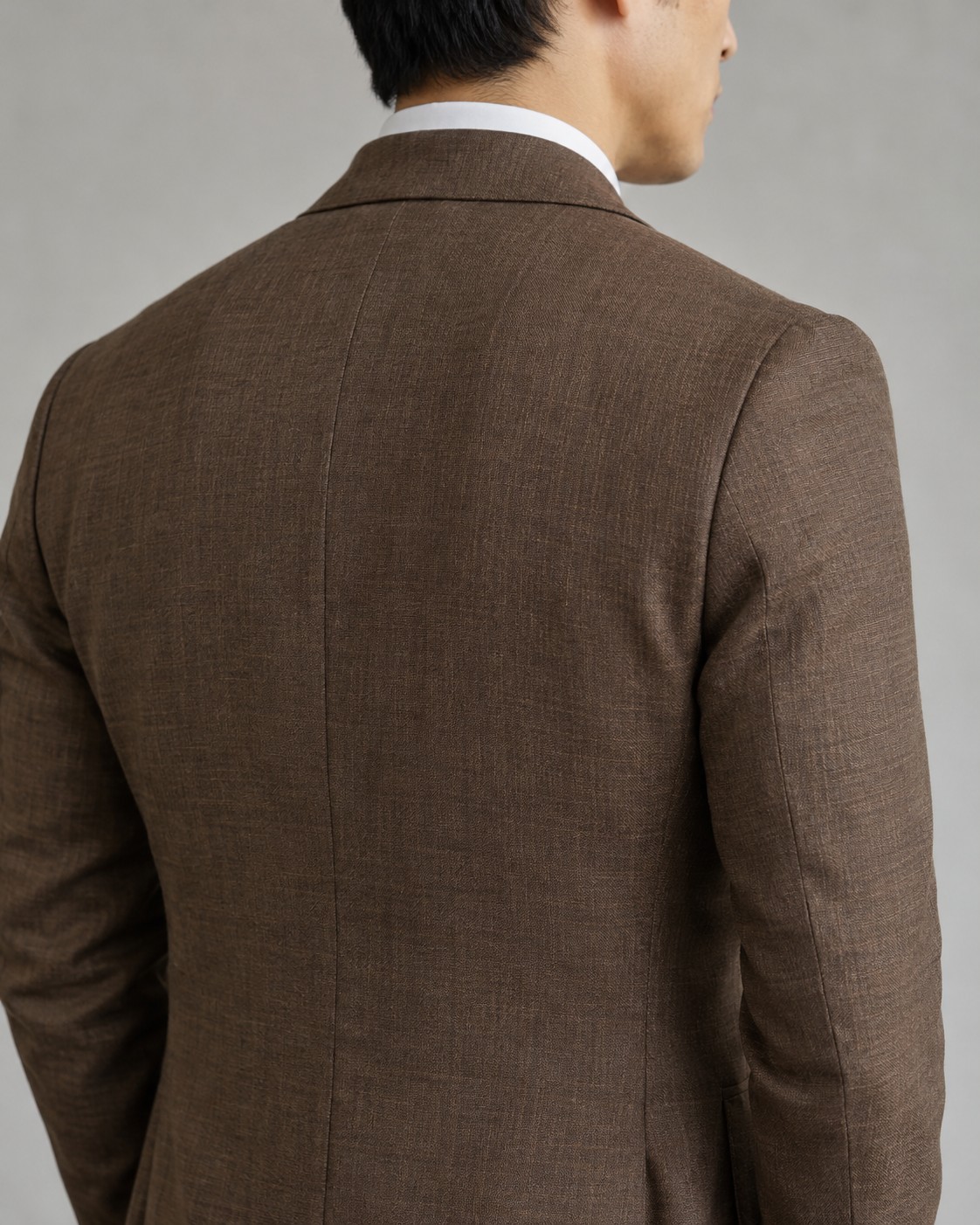
Large pockets, broad lapels and substantial cuffs can be deliberate design choices. If they dominate more than you want, try a quieter version. If you like them, height alone is not a reason to avoid them.
Take photographs from a reasonable distance with the camera level, not angled down from close range. Camera position can distort proportions and make it difficult to judge the clothes fairly.
Alter the right things
A trouser hem is often a useful adjustment once the rise, seat and thighs fit. A jacket that needs major shortening or shoulder reconstruction is a different proposition. Consult a tailor before buying an alteration project, particularly if pocket or button placement is already too low for your preference.
Try shoes with the trousers during any length fitting. A narrow cropped leg and a fuller leg with a small break can both work; their success depends on the overall outfit and your taste, not a ban on cuffs or horizontal lines.
Keep a note of measurements from garments you enjoy. Over time, those references are more useful than generic advice aimed at everyone of a similar height. The goal is clothing that feels proportionate to you and supports the style you want to wear.