Washing T-shirts without unnecessary wear
A T-shirt's colour, print and construction should guide its care, not just its place in the casual pile.

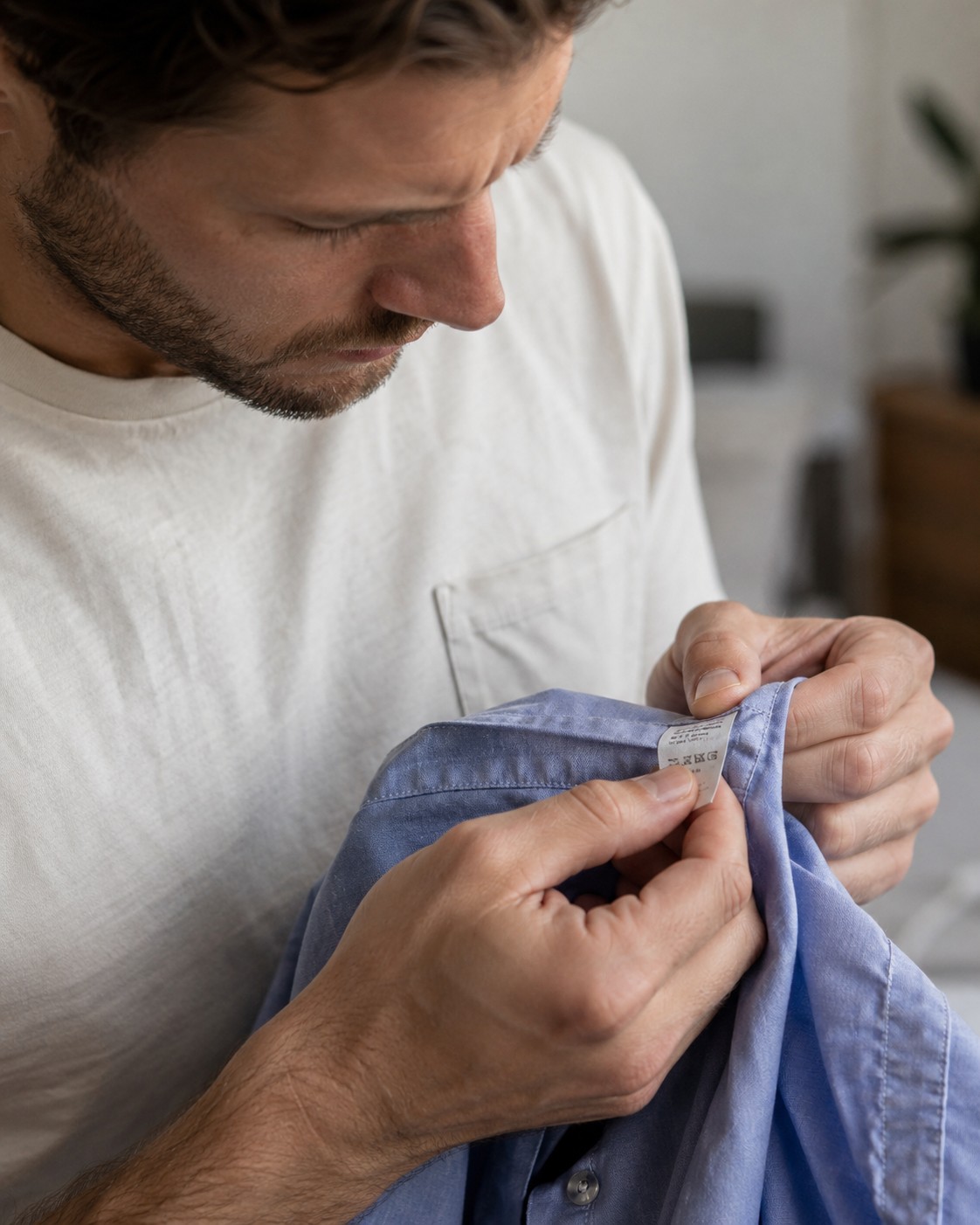
T-shirts are easy to treat as interchangeable laundry, but a heavyweight plain cotton tee, a fine stretch blend and a printed shirt can have different needs. Read the label when the garment is new and keep those instructions in mind when sorting a load. Casual does not mean indestructible.
Before the wash
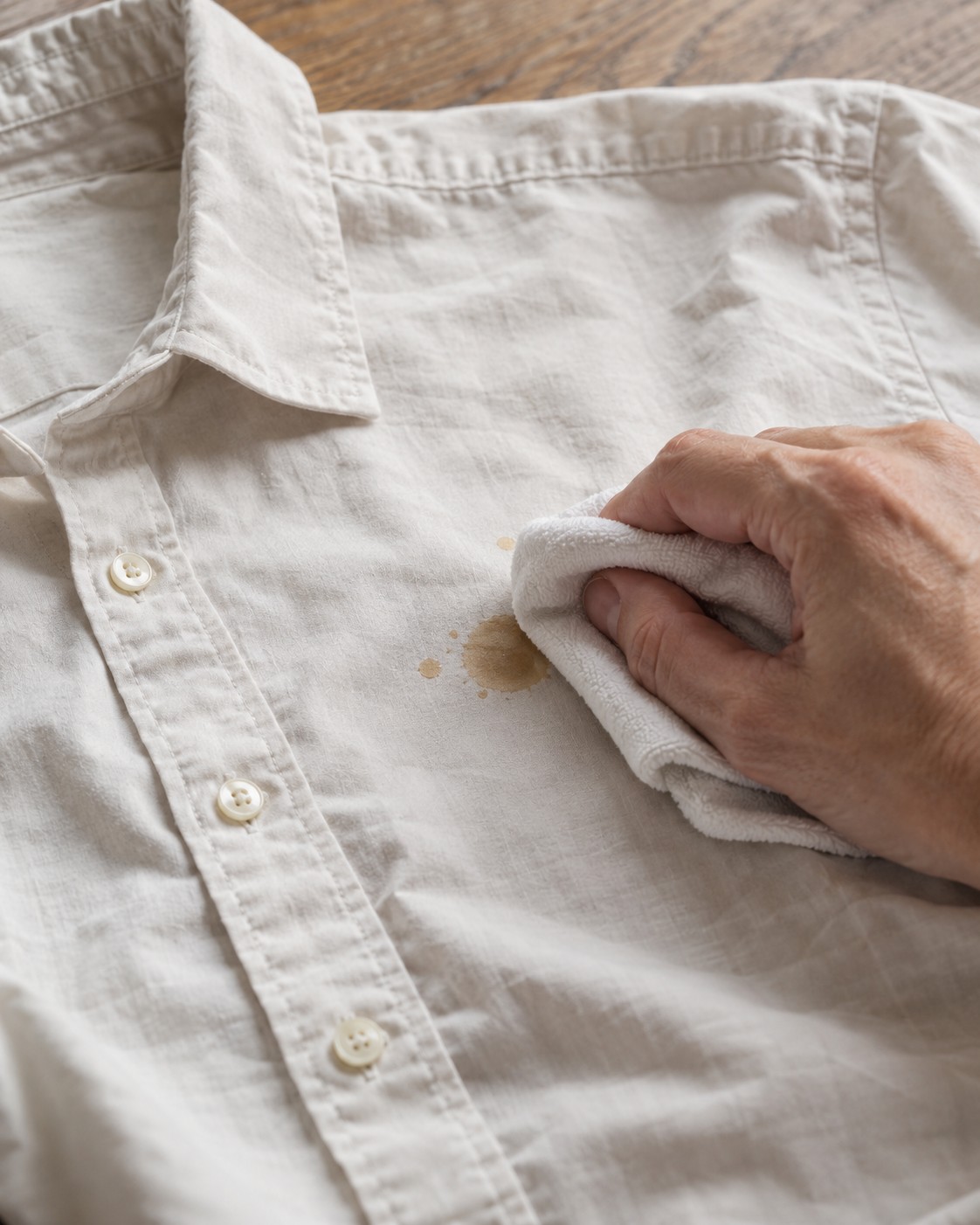
Check the collar, underarms and front for marks. Address them with a method suitable for the material and stain rather than adding more detergent to the whole load. Test any unfamiliar treatment discreetly and avoid combining cleaning products. If a mark is uncertain or the shirt is valuable to you, seek specific guidance before using heat.
Separate colours that may transfer, especially new dark or strongly dyed garments. Turn printed tees inside out if their instructions recommend it, and avoid washing delicate shirts with items whose exposed fastenings could catch them. A zip on another garment can matter more than whether both items are technically cotton.
Select the programme and temperature permitted by the label. A hotter wash is not automatically better for routine wear. Follow detergent dosing instructions and leave the load room to move. If the shirt has a special finish or bonded decoration, check the maker's additional advice.
Dry without pulling the shape
Use the drying method specified for the shirt. When air drying is suitable, support it so the wet fabric is not stretched from one narrow point. Smooth the body and sleeves gently into their natural arrangement rather than pulling hard on the hem to make it longer.
Direct sunlight can affect colour, so consider where a dark tee is drying. Do not assume that a short hot tumble will be harmless if the label excludes it. Once dry, fold or hang according to the weight and construction, using a hanger that does not force pointed bumps into the shoulders.
When dressing, avoid tugging the shirt on and off by the neck opening. Small repeated strains can change how the collar sits. Also check whether apparent shrinkage is actually the shirt twisting or being dried out of shape before trying another wash to fix it.
A sensible routine leaves the tee clean and comfortable without chasing a permanently brand-new appearance. Some fading and softening are part of use. If the same kind of damage repeatedly appears, examine the wash load, drying method and storage rather than assuming that buying another identical shirt will solve it.