Planning an outfit for the first day at work
Use the information you have, keep a little flexibility and wait before buying a full work wardrobe.

The first day of a new job is not the best time to discover that your trousers are uncomfortable at a desk or your shoes cannot handle the commute. Choose a complete outfit in advance and test it through the movements you expect. Familiar clothing often offers more confidence than a head-to-toe purchase made for the occasion.
Ask a specific question
If the employer has not explained the dress code, ask your contact whether there are any clothing requirements for your first day. Mention practical details when relevant: a site visit, workshop induction or client meeting may require different clothes from a normal office introduction. Follow any safety or uniform instructions rather than treating them as style suggestions.
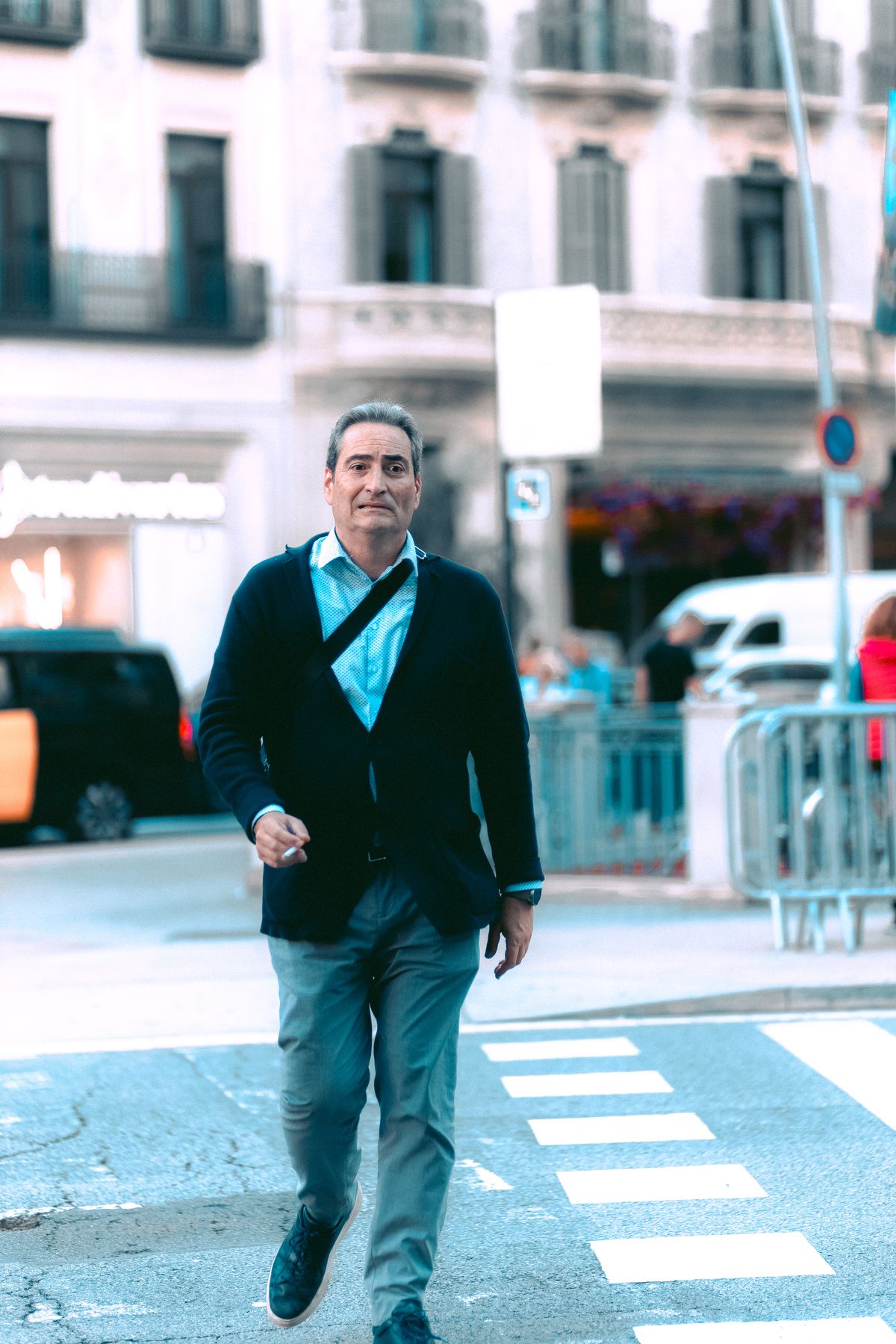
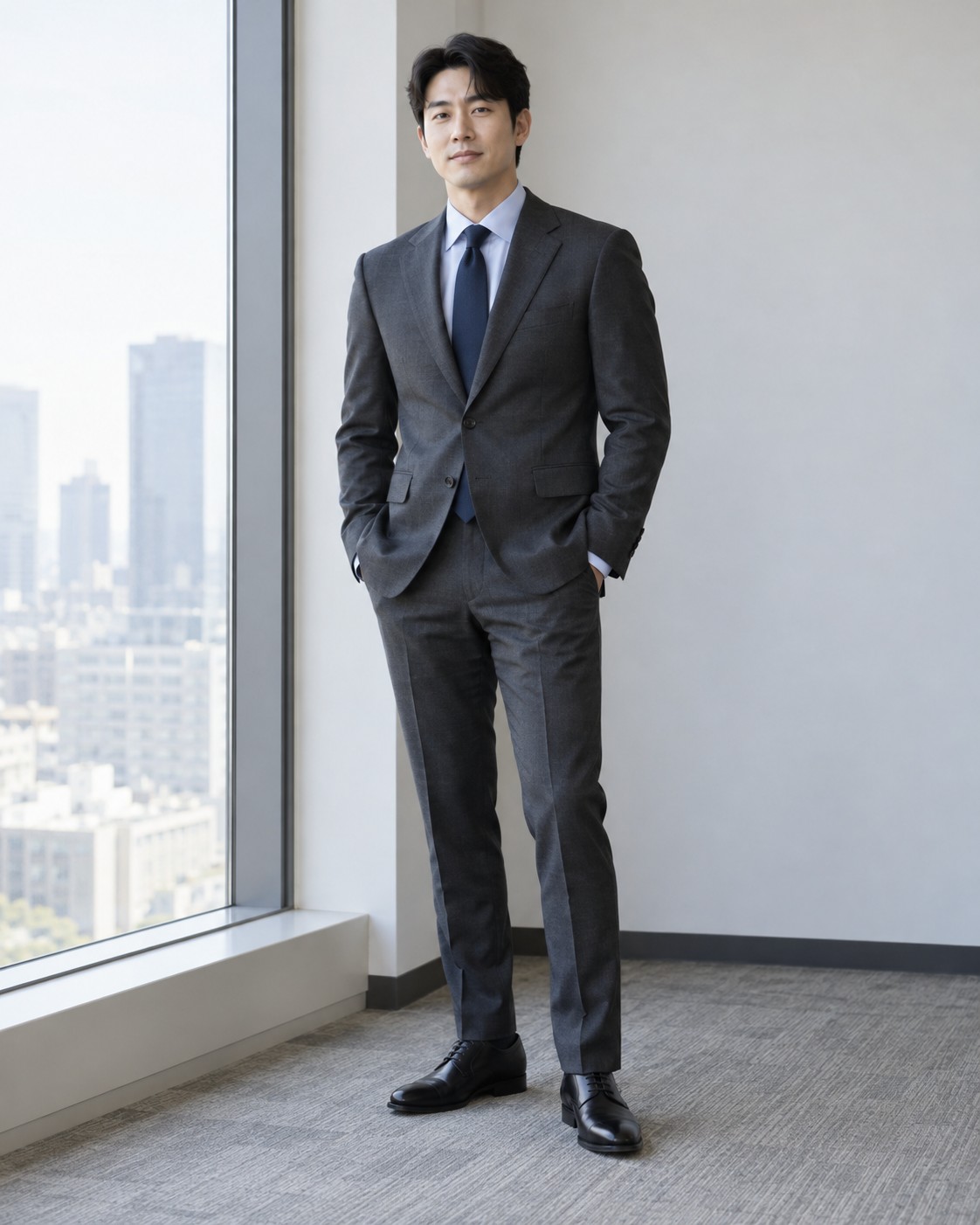
In an office with a loosely described business-casual culture, a shirt, comfortable trousers and plain shoes can be a reasonable starting point. A light jacket or knit provides an adjustment if the room is cool. In a workplace that clearly dresses more casually, there is no need to invent a formal uniform, but keep the outfit tidy and suitable for the tasks.
Make the day easy to manage
Prepare the coat, bag, socks and shoes along with the visible main pieces. A new work bag is not essential unless your existing one fails to carry what you need. Check that the outfit works when the outer layer comes off, since you may spend most of the day indoors.
Pack a small contingency only if it addresses a real concern. A spare shirt can be useful after a long summer commute; carrying several alternative outfits is unlikely to help. Allow enough time to arrive without rushing, which does more for your comfort than an extra styling detail.
Do not buy a large rotation before experiencing the workplace. You may find that the office temperature, meeting schedule or actual dress culture differs from your expectation. Make notes after the first week about what you needed: another lightweight layer, different shoes, or trousers that work better while seated.
The first outfit should be appropriate and unobtrusive, not a permanent declaration of your professional identity. You can introduce more colour, different textures or a more relaxed silhouette once you understand the setting. Start with clothes that let you listen, move and settle in without needing constant adjustment.