Choosing clothes for a job interview
Research the role, prepare the complete outfit and remove avoidable distractions.
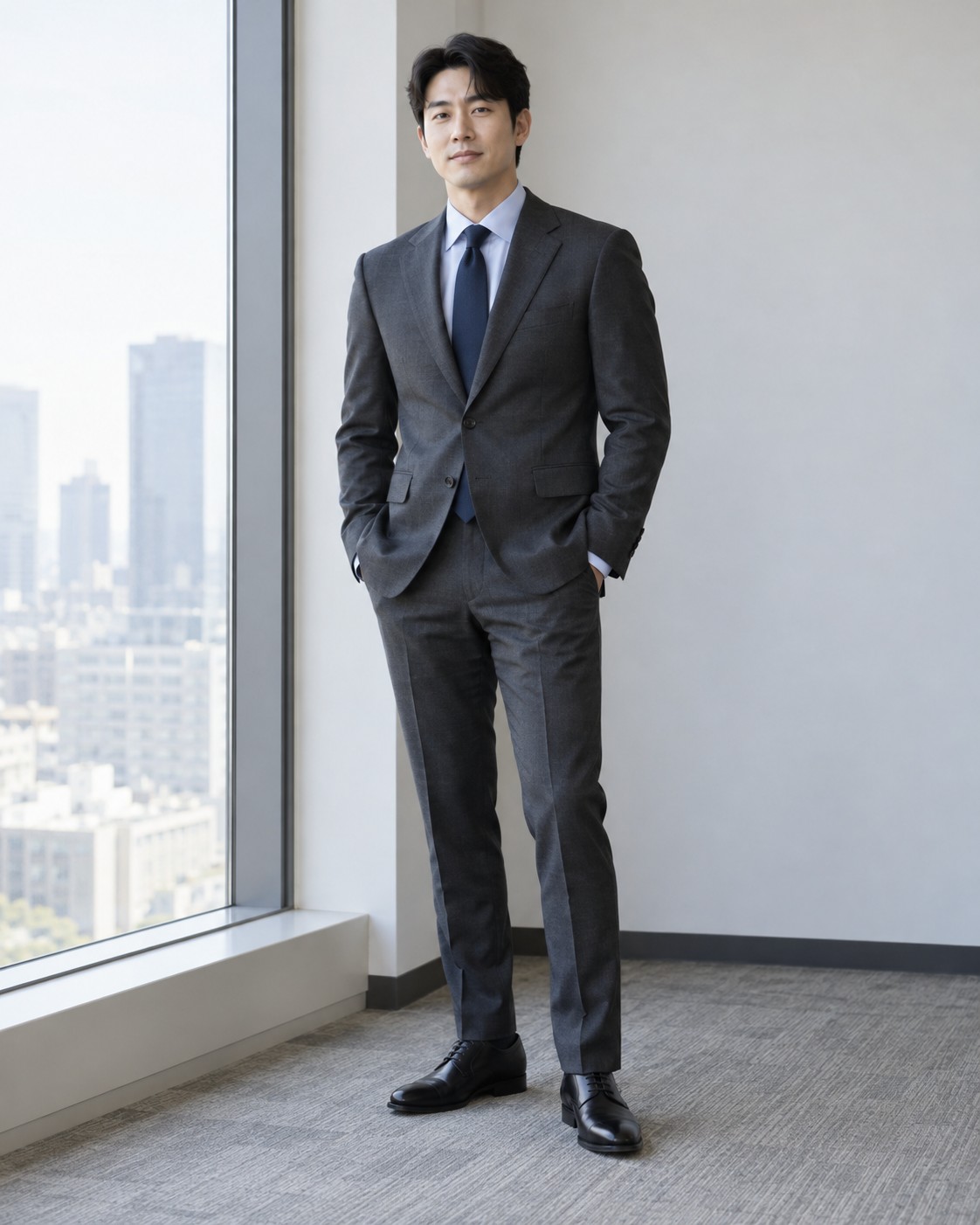
Interview clothing should suit the organisation, role and format. There is no single outfit that works equally well for a corporate office, a workshop, a creative studio and a remote conversation. When the invitation includes clothing or safety instructions, follow them. If it does not, ask the recruiter or organiser what level of dress is expected.
Use evidence, not assumptions
Oxford's careers guidance notes that industry norms vary and suggests researching them. Look at people in comparable roles, not only senior leaders in formal promotional portraits. A company's public photographs can help, but a clear answer from the organiser is more useful than guessing from one image.
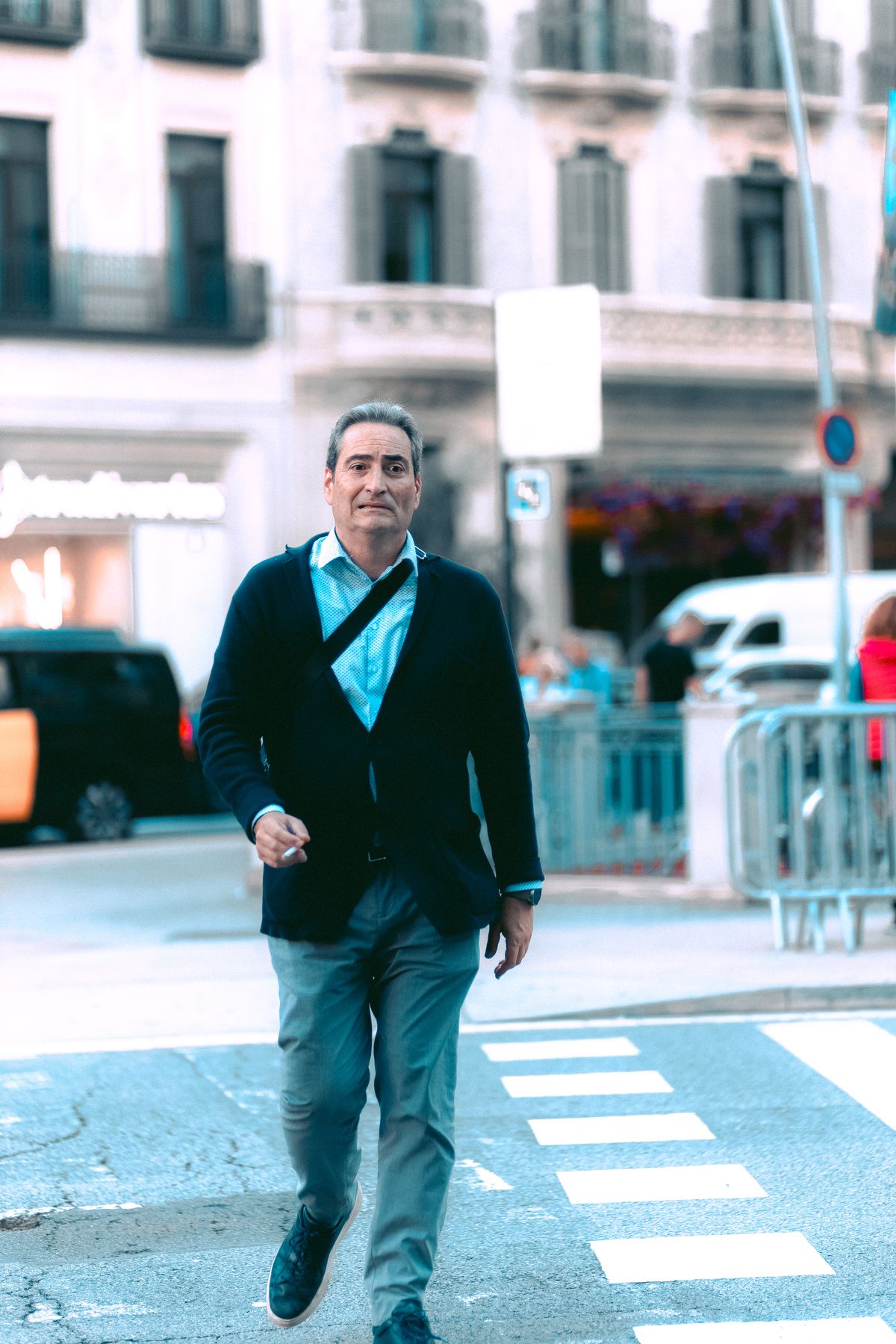
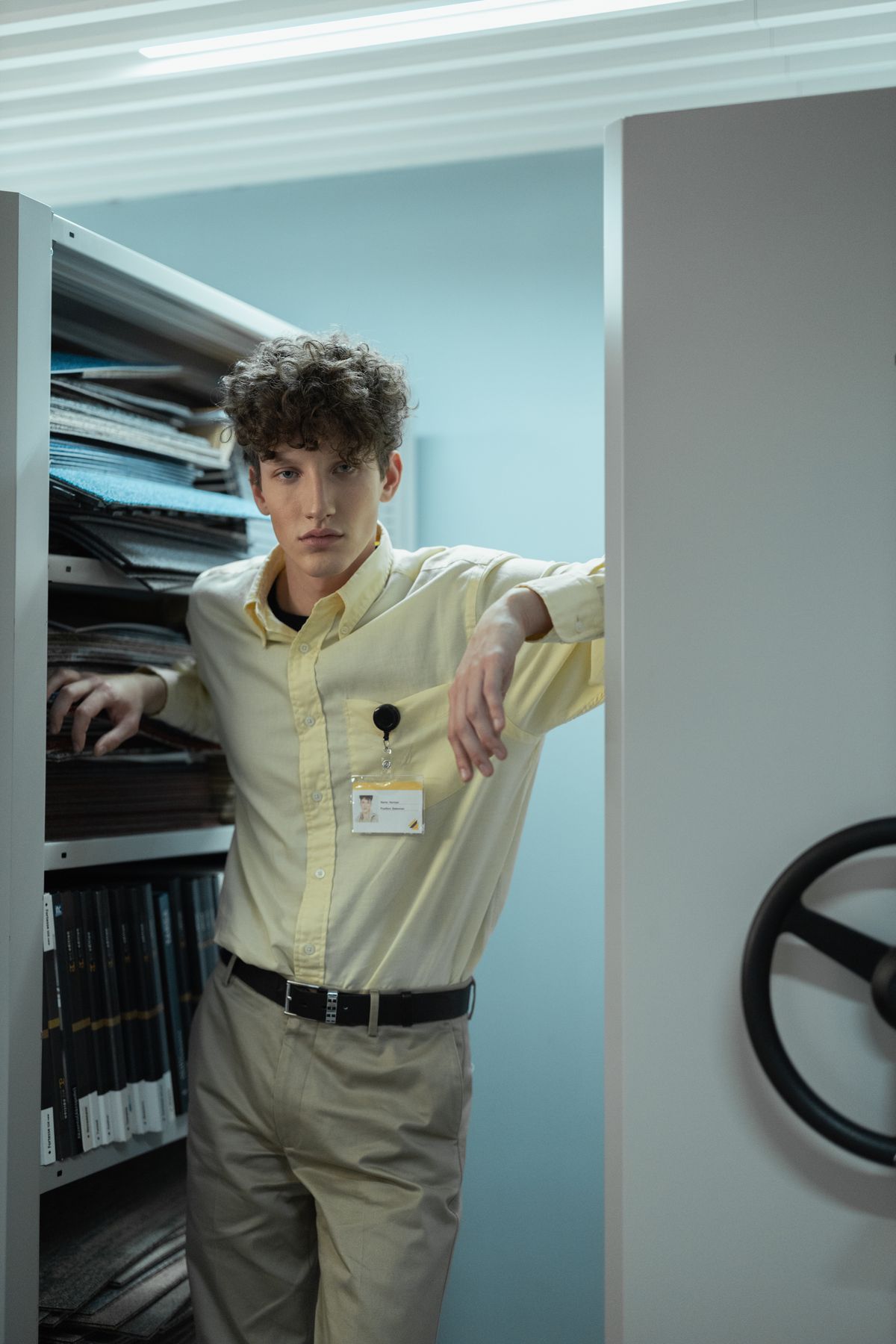
If a suit is appropriate, use one that fits comfortably with a clean shirt and suitable shoes. If the setting is business casual, a shirt with trousers and an optional jacket may be enough. In a very casual environment, you can still choose clothes that are clean, intact and deliberately assembled without dressing as if attending a ceremony.
Rehearse the clothing as well as the answers
Put on the entire outfit several days before the interview. Sit in it, stand up, reach for a notebook and walk in the shoes. Check the shirt collar, waistband and jacket shoulders. If you need an alteration or replacement, discovering that early leaves you options. Buying unfamiliar shoes the evening before creates a new problem at exactly the wrong time.
Inspect buttons, seams and marks in daylight. Prepare garments according to their care labels, and allow enough drying time. Do not experiment with an aggressive stain treatment immediately before leaving. If an item cannot be made ready reliably, use a suitable alternative rather than hoping the interviewer will not notice your discomfort with it.
Plan the journey
Your outerwear should protect the interview clothes and suit the forecast. If the route involves a long wet walk, changing footwear on arrival may be sensible when you have a suitable place and enough time. Keep any change organised in your bag so it does not turn the entrance into a scramble.
Carry documents and essentials in something you can manage easily. Overfilled trouser pockets distort the outfit and make sitting less comfortable. Avoid bringing a new accessory solely because it seems professional; the bag you already own may be entirely appropriate if it is functional and in reasonable condition.
For a video interview, test the outfit on the actual camera and in the actual lighting. Dress for the same expected level of formality as the in-person equivalent, and make sure you can stand up without embarrassment or adjustment. Fine patterns may behave strangely on camera, so the preview matters more than a blanket ban on stripes.
Prepare an alternative before it becomes urgent
Choose a backup shirt or top that works with the main trousers and shoes. It need not be another new purchase. If the first shirt is marked or unavailable, you can switch without rebuilding the outfit. Check the backup now; a shirt that is technically clean but no longer fits does not solve the problem.
If your interview includes a tour or practical assessment, ask what clothing and footwear are required. The appropriate outfit may differ from what you would wear for a desk-based conversation, and safety instructions take priority. Do not arrive in restrictive tailoring simply because a generic interview checklist insists on it.
Budget limitations do not mean you cannot attend appropriately. Start with the clean, suitable clothes you have and ask about expectations where necessary. Borrowing or using an available clothing-support service may be an option, but allow time to check fit. Do not spend beyond your means on the assumption that a particular brand or price level will improve your chances. The clothing should support your preparation, not displace it.
Clothing cannot guarantee an interview outcome. Its job is to help you meet the setting's expectations and concentrate on the conversation. Once the outfit is prepared and comfortable, spend the remaining effort on the role, your examples and the questions you want to ask.