Introducing loafers to a casual wardrobe
A slip-on shoe can work with everyday trousers, provided the heel and instep fit without the help of laces.
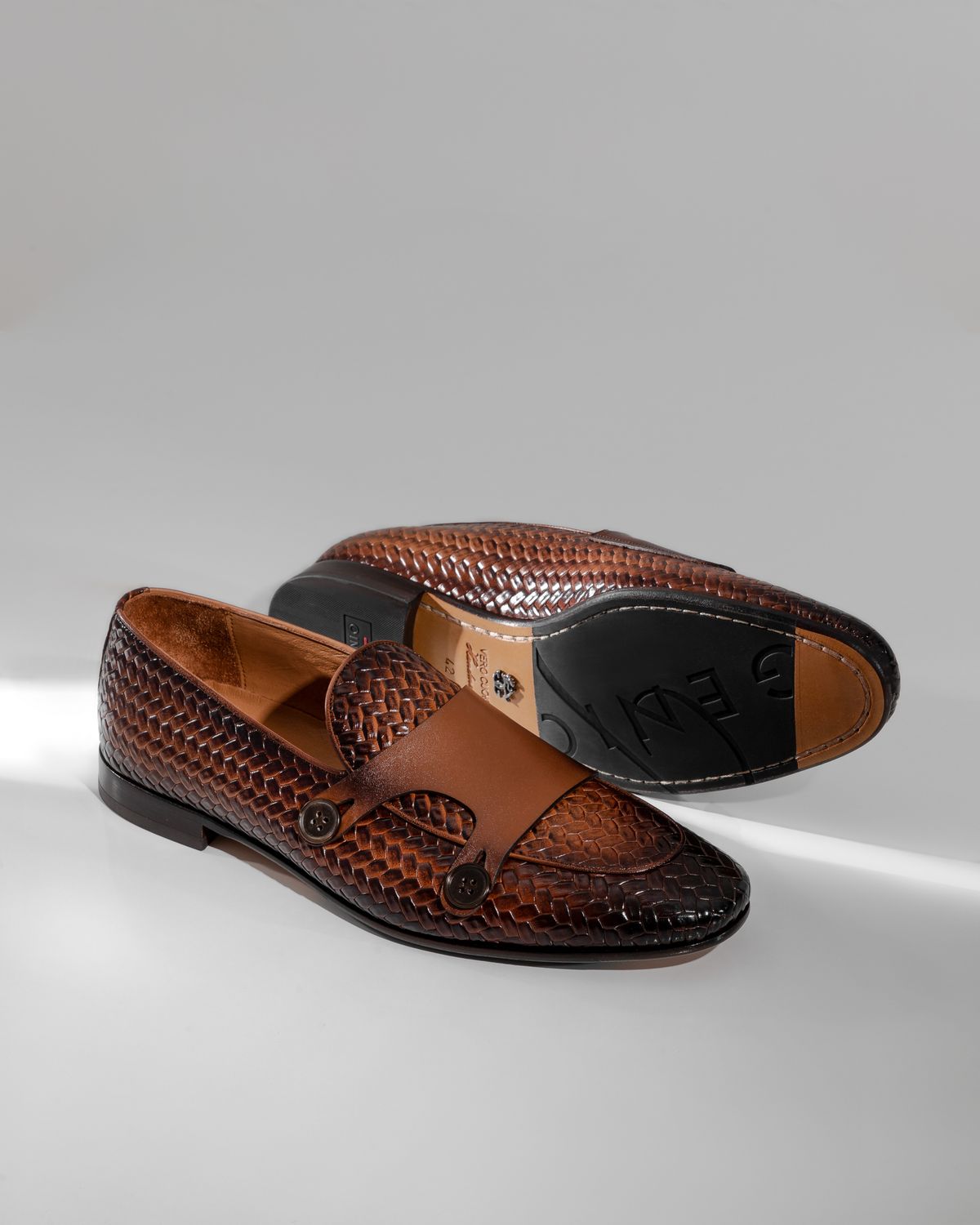
Loafers can make a familiar outfit feel different without requiring a suit. Their slip-on construction and relatively open upper give them another character from lace-up shoes. Start with the trousers you already wear and find a loafer that fits them visually and fits your feet physically.
Give fitting enough time
Without laces, you have less adjustment across the top of the foot. Try the shoes with the socks you plan to use and walk around. The heel should not feel as though the shoe will come off, while the instep should not be painfully compressed to prevent slipping.
Do not solve a loose heel automatically by choosing a shorter size that crowds the toes. Another last or width may be the better answer. Different loafer shapes can fit very differently even within one brand.
Choose the surface and sole together
A smooth dark leather loafer can look relatively sharp with wool trousers or chinos. Suede creates a softer visual relationship with casual clothes. A heavy sole adds more presence than a thin one, so look at the whole shoe rather than categorising every loafer as equally dressy.
For a first outfit, try brown loafers with navy chinos and a light shirt. With jeans, choose a hem that does not bunch excessively over the low shoe. You do not need an exposed ankle; ordinary socks are entirely compatible with loafers.
Separate heel movement from an unsuitable shape
During the fitting, notice when the heel moves and what the rest of the shoe is doing. If the forefoot feels compressed while the heel still lifts, simply going smaller may worsen the pressure without creating the right shape. Explain that combination to the fitter and compare another last. A different width, heel shape or instep volume can matter more than half a size.
Try both shoes rather than assuming the second foot will behave identically. Walk on an appropriate clean surface and turn naturally. Keep within the seller's return conditions while deciding, and ask what changes with wear are reasonably expected for that specific construction. Avoid treating a general promise of breaking in as an answer to every pressure point.
Plan one smart and one casual outfit
Put the loafers beneath the trousers you expect to wear most, then beneath a second pair with a different hem width. A low vamp may reveal more sock with one trouser than another. If you dislike that result, the solution could be another trouser length or sock choice rather than a different shoe size.
For example, brown suede loafers may sit comfortably with olive chinos and a plain knit, while a smoother dark pair may connect more readily with grey wool trousers and a shirt. These are different roles. Choose the role you need first instead of expecting one pair to reproduce every loafer outfit you have seen.
Make the sock decision practical
If you prefer a low-cut sock, check that it stays in place and protects the areas where the shoe contacts your foot. If you prefer visible socks, choose a colour and weight that sit comfortably with the trousers and shoe. A thick winter sock can change the fit significantly.
Try sitting as well as standing to see the amount of sock or ankle that appears. Trouser legs naturally rise, so judge whether you like the result rather than expecting the hem to remain fixed.
Loafers are not automatically suitable for every formal event or workplace. Their appropriateness depends on the specific shoe and the setting. Nor does a polished surface make them suitable for every weather condition; check the product's construction and care guidance.
If you are uncertain, borrow the outfit logic of clothes you already enjoy: the same chinos, the same shirt, one different shoe. That makes it easier to decide whether loafers add something useful rather than feeling that you must change your entire wardrobe to accommodate them.