Three ways to wear an overshirt
Treat an overshirt as a removable layer, then change what sits beneath it to alter the outfit.
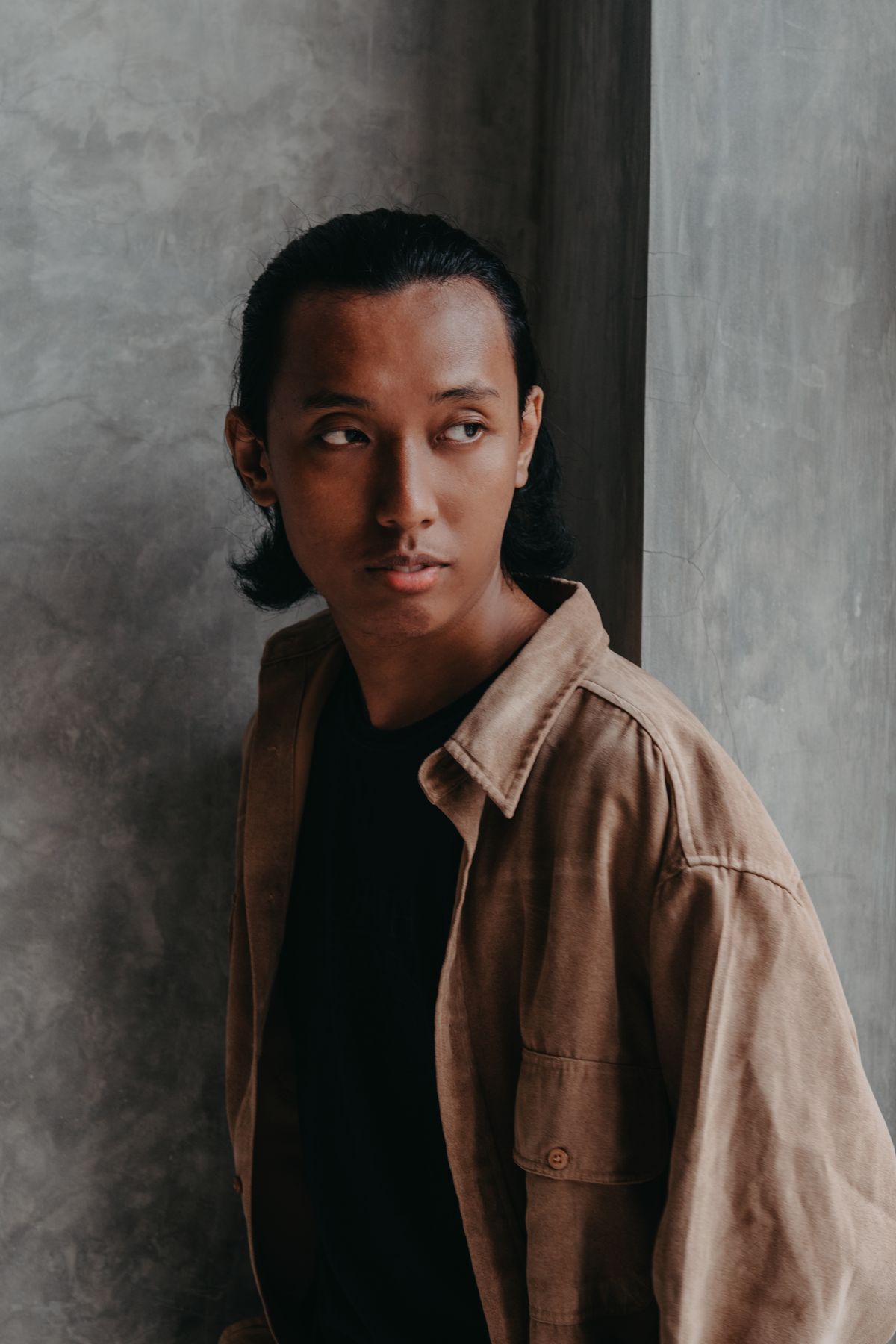
An overshirt sits between a regular shirt and a jacket, but the name covers a wide range of garments. A thin cotton version can behave much like a shirt; a lined wool version may be genuine outerwear. Feel the weight and try the intended layers beneath it before deciding how it belongs in your wardrobe.
Open over a T-shirt
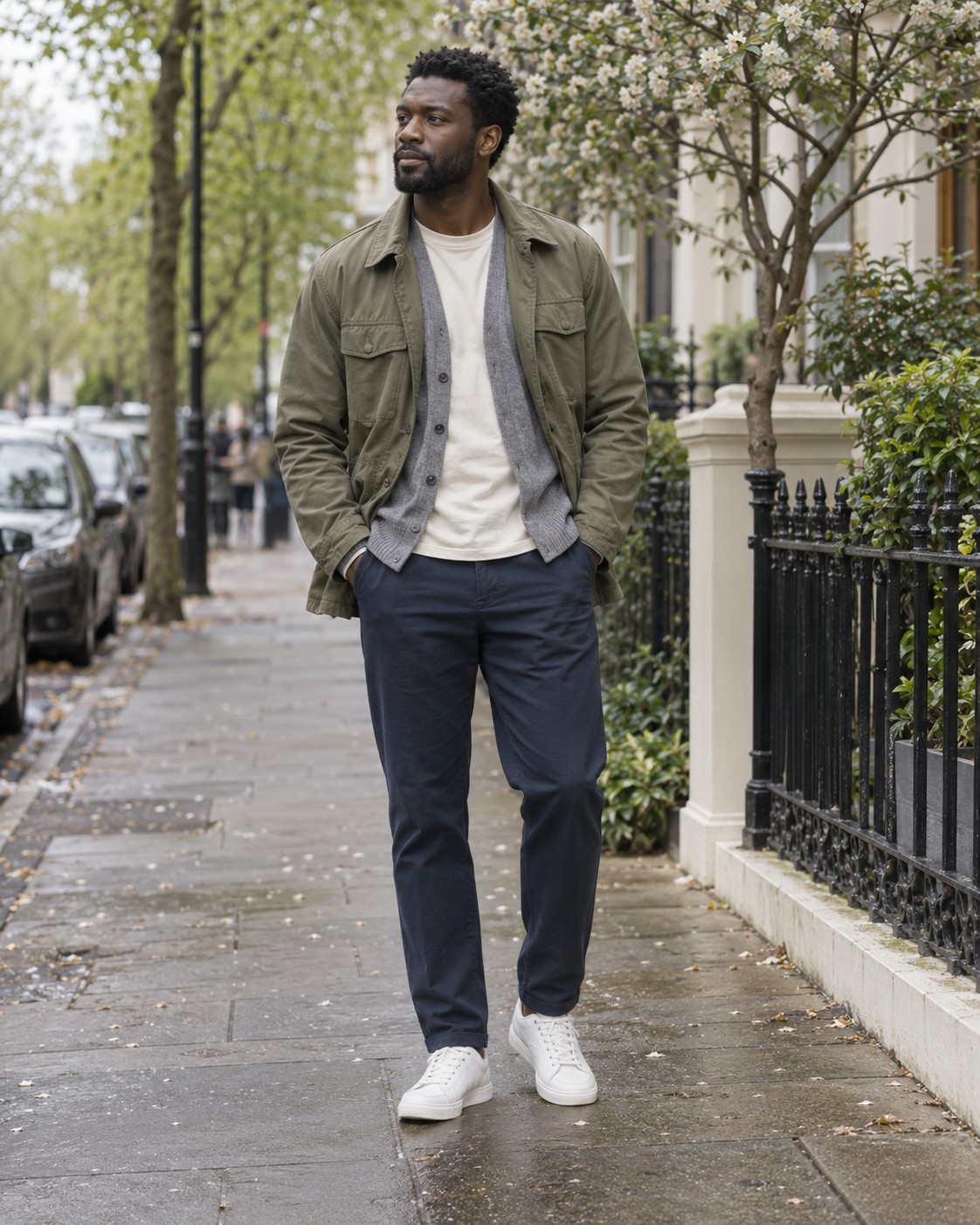
The simplest arrangement is an overshirt, plain tee, jeans or chinos, and everyday shoes. Leave the front open so the T-shirt forms a central panel. With an olive overshirt, an off-white tee and dark jeans create clear separation without requiring several colours. The overshirt should hang rather than pull backwards around the upper arms.
Check the two hems together. A T-shirt extending slightly below the overshirt can be deliberate, but a much longer tee may make a relatively short overshirt look misplaced. Try a different tee length before rejecting either garment. If the overshirt has large chest pockets, you already have visual detail; a prominent T-shirt graphic will compete with it.
Buttoned as the main top
A lighter overshirt can be worn mostly buttoned over a thin base layer. Pair it with trousers whose texture differs from the shirt: brushed cotton over smoother chinos, for example. Leave the neck comfortable rather than fastening a button simply because it is there. The resulting outfit has less visible contrast and can feel quieter than the open version.
This arrangement reveals fit problems that an open front can hide. Sit down and reach forward. If the placket pulls apart or the back becomes tight, the garment may need a roomier cut. Do not assume that all overshirts are designed to accommodate a thick jumper underneath. Some are intended for only a light tee.
Over a fine knit
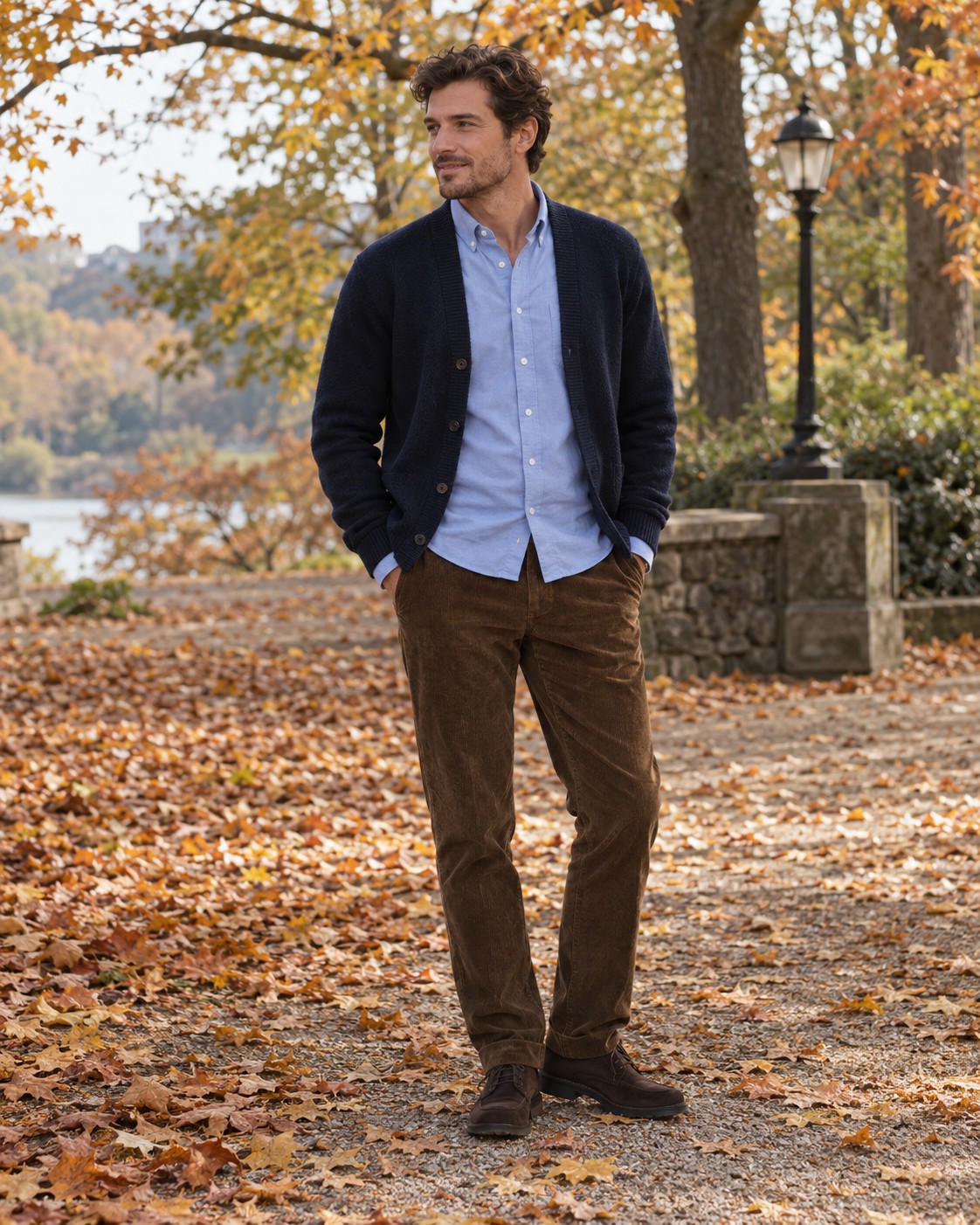
For a cooler day, put a fine crew-neck jumper beneath a heavier overshirt. Charcoal knitwear, a brown overshirt and dark trousers make a muted combination with enough texture to avoid looking flat. Boots can suit the weight of the upper layers, although a substantial trainer is another option if it is appropriate for your route.
Look closely at the sleeves. A tight outer sleeve compresses the knit and restricts movement, even when the overshirt closes easily at the chest. If both garments have thick cuffs, avoid pushing them into a bulky stack at the wrist. Wearing one sleeve naturally over the other is often more comfortable.
Whichever version you choose, plan for removing the overshirt indoors. The T-shirt or knit beneath it should work on its own. An overshirt is useful precisely because it can be taken off; needing to keep it on to hide an uncomfortable or unsuitable base layer defeats much of that usefulness.