Dressing for a rainy commute
Plan around the exposed parts of the journey, not just the minutes spent under a roof.
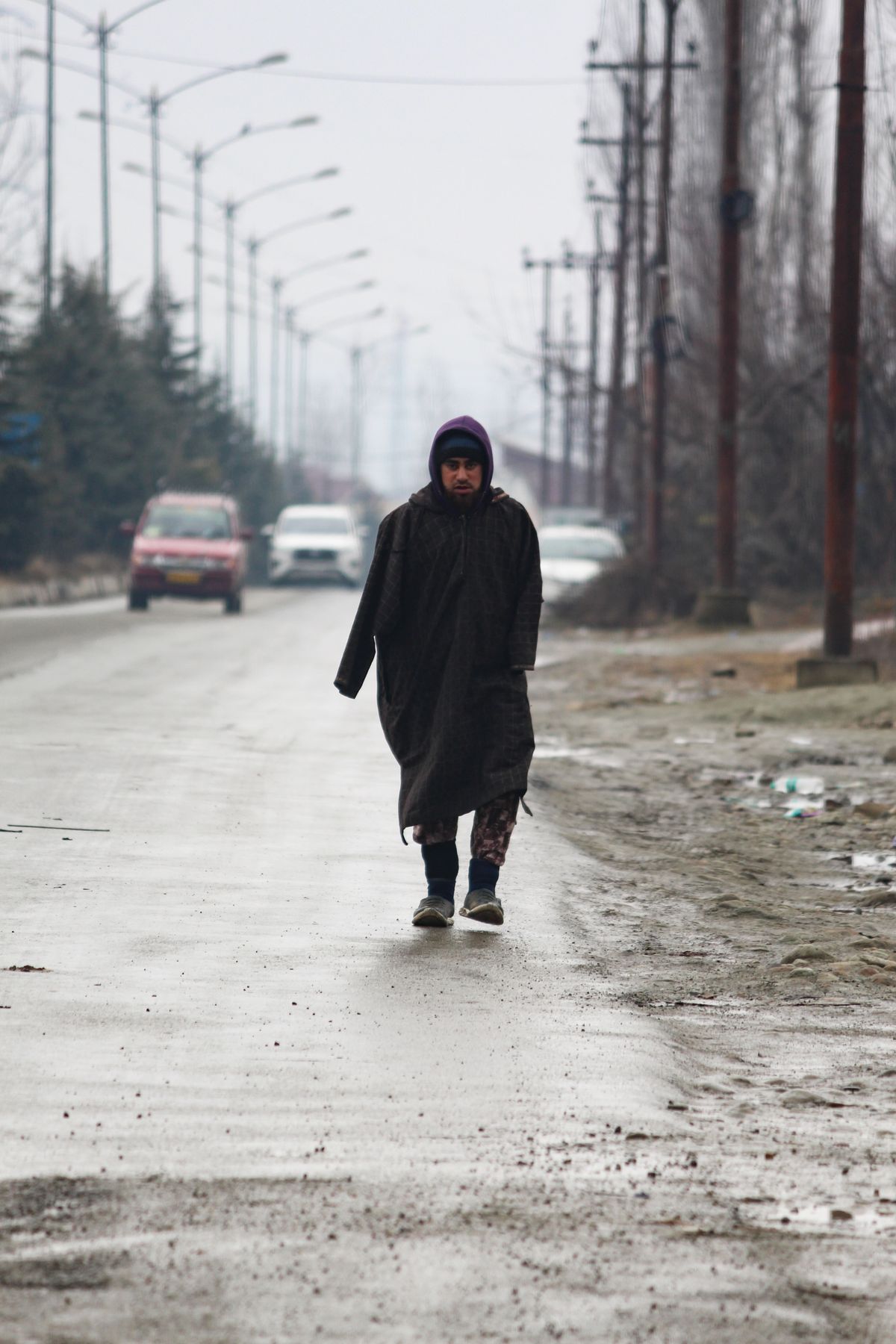
A rainy commute is a clothing problem measured in routes rather than seasons. Five minutes from a car park is different from a twenty-minute walk and a crowded train. Start by identifying where you will be exposed, how long you will be outside and where wet clothes can go when you arrive.
The outer layer must fit over work clothes
Try your raincoat with the jacket or knitwear you actually use. Close it, raise your arms and put on your usual bag. A coat that only works over a tee is not a dependable commuting layer if your weekday outfit includes a blazer. Check the sleeve length with your arms reaching forward, especially if you cycle.
Water-resistant and waterproof descriptions are not interchangeable. Read the maker's intended use and construction details, including seams and closures, rather than choosing by surface appearance. A long coat may protect more of your trousers, but it must also allow the movement your route requires. A hood that obstructs your view is not a useful trade for a tidier silhouette.
Maintenance can affect how a technical shell performs. Follow its own care label and manufacturer instructions; do not assume that avoiding washing indefinitely protects it. Equally, do not apply heat or a treatment based on advice for a different jacket. Product-specific guidance takes priority.
Think below the coat
A trouser hem dragging over wet pavement will collect water and dirt whatever you wear above it. Check the length with your commuting shoes. Very pale trousers or a broad turn-up may be less convenient on a particularly wet route, though neither needs to be banned from your wardrobe.
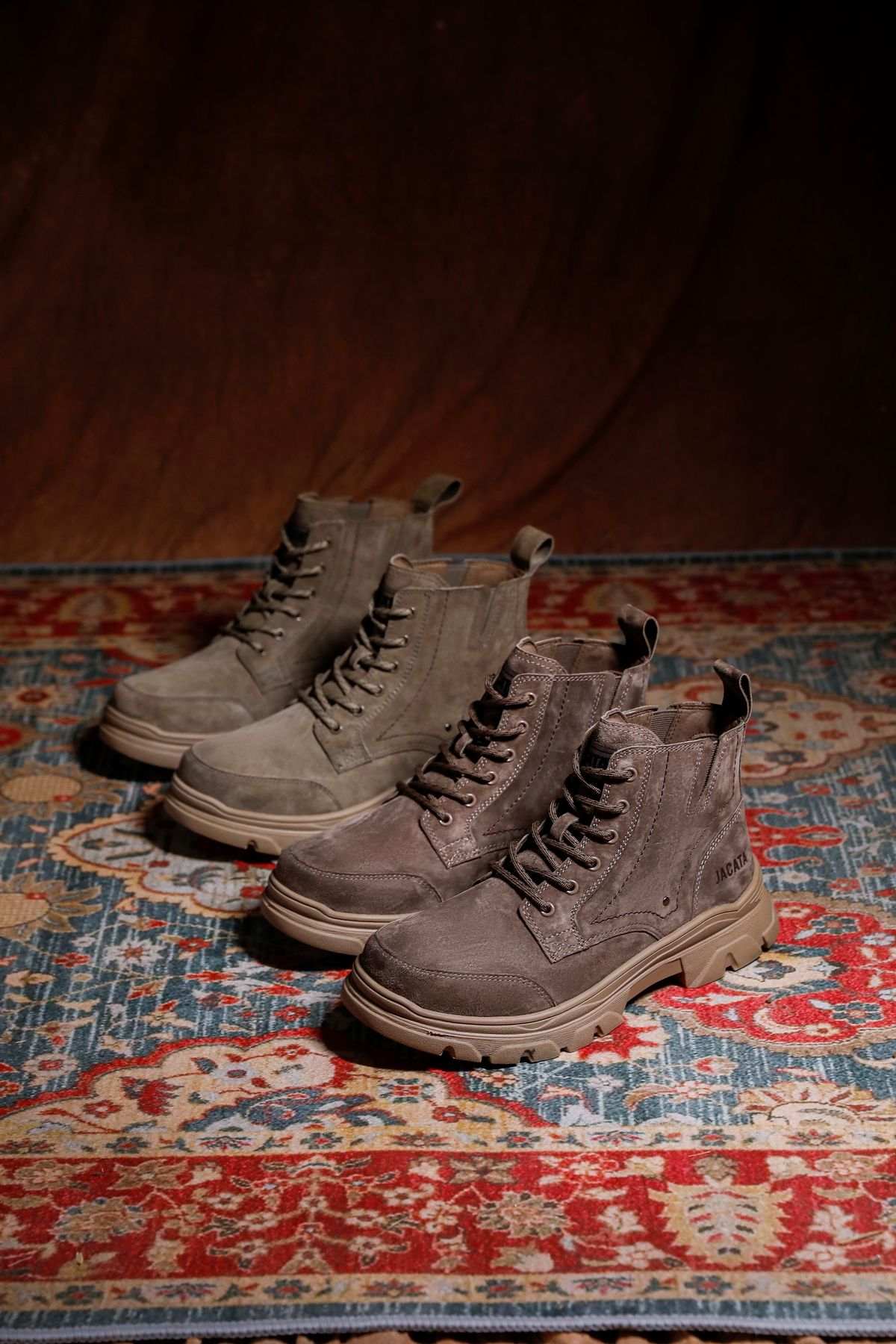
Select footwear for the conditions, not just the office photograph. Smooth dress soles and puddled pavements may be an unhelpful combination. If appropriate shoes for the journey do not suit work, keeping a second pair at your destination can be the simplest solution. A spare pair of socks is small enough to be worth considering.
Protect what is inside your bag too. A raincoat does not make an open canvas tote weatherproof. Use the bag's intended rain protection or an appropriate inner pouch for vulnerable belongings, and avoid stuffing a wet umbrella against a clean shirt.
Give wet things somewhere to dry
On arrival, remove the outer layer and hang it where the workplace permits, with some space around it. Let footwear dry according to its material guidance rather than putting it against a heater. For the outfit underneath, choose ordinary combinations you already trust: grey trousers, a blue shirt and a fine navy knit do not need to announce the weather. The commuting layer does the weather-related work, then comes off.