Choosing winter boots around your daily route
The route, surface and weather matter more than whether a boot looks rugged in a photograph.
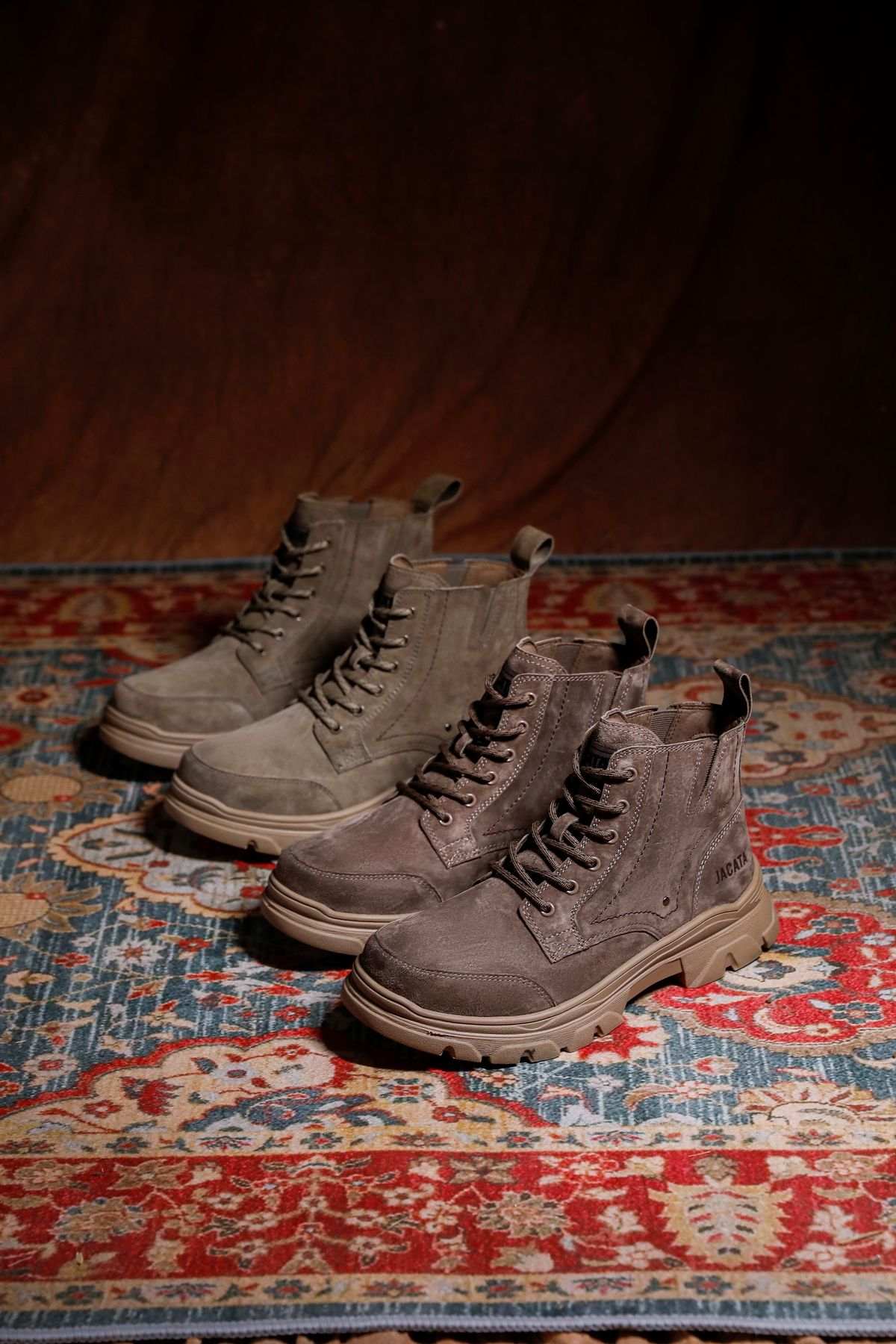
A winter boot for a short walk to a café is not necessarily a winter boot for icy pavements or a muddy rural route. Begin with the job rather than the silhouette. A chunky sole, high ankle and dark leather can suggest toughness without proving anything about grip, water protection or warmth.
Separate appearance from specification
Read the manufacturer's description of the outsole, upper and intended conditions. A fashion boot may make no claim about wet-weather performance. Water resistance can also vary with seams, fastenings and construction, not just the upper material. If your route regularly presents snow or ice, choose footwear designed for that environment rather than treating ordinary style advice as a safety assessment.
Try boots with your intended socks. You need comfortable room through the toes and instep without a heel that moves excessively. Do not assume pain will disappear through breaking in. A stiff new pair is a poor choice for a long journey on the first day.
Think about weight as well. Heavy soles may look balanced with winter trousers but become tiring over your actual route. Walk around, use stairs if the shop permits and notice how the boot bends. A seated mirror view cannot tell you that.
Make the trouser leg work
A narrow opening can catch on the top of a boot and leave the fabric suspended awkwardly. A straighter leg may fall more easily over the shaft. Try the exact trousers you intend to wear, then check the hem while moving. Do not automatically shorten every pair to display the whole boot.
Dark brown lace-up boots work naturally with dark denim and an olive jacket. A cleaner black Chelsea shape can suit charcoal trousers and a wool coat in appropriate conditions. These are outfit options, not claims that either shoe construction is suitable for every winter surface.
Account for the indoor hours
Very insulated boots can be uncomfortable in a warm office. If most of your day is indoors, changing footwear at work may solve the problem better than compromising on the journey. Leave enough room in your bag, or store a second pair where allowed.
At the end of a wet day, let boots dry as their maker recommends and avoid direct heat. Check soles, fastenings and any worn areas periodically. Care can maintain a suitable pair, but it cannot turn an unsuitable design into specialist winter equipment. Choose the function first, then build a coat and trouser combination around the shape you have chosen.